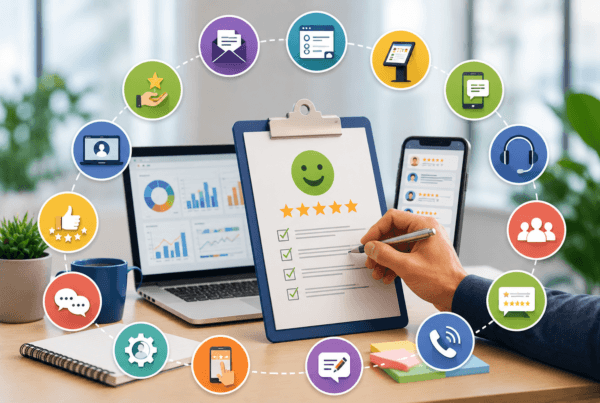
In today’s competitive business landscape, companies invest heavily in improving customer experience (CX). They refine products, optimize websites, personalize marketing campaigns, and implement customer feedback systems. Yet many organizations overlook the one factor that has the greatest influence on customer satisfaction: employee experience (EX).
Simply put, happy, engaged employees create happy, loyal customers.
The way employees feel about their workplace directly impacts how they interact with customers. Whether it’s a retail associate greeting shoppers, a customer support executive resolving complaints, or a salesperson guiding purchasing decisions, every customer interaction reflects the employee’s motivation, engagement, and workplace culture.
Let’s explore why employee experience is the foundation of exceptional customer experience—and how businesses can improve both.

What Is Employee Experience?
Employee experience encompasses every interaction an employee has with an organization throughout their journey—from recruitment and onboarding to daily work, growth opportunities, leadership support, workplace culture, recognition, and eventually, exit.
It includes factors such as:
- Company culture
- Leadership and communication
- Learning and development
- Recognition and rewards
- Workplace technology
- Work-life balance
- Employee engagement
- Feedback and listening programs
When employees feel valued, heard, and empowered, they naturally perform better.
The Link Between Employee Experience and Customer Experience

Customers rarely interact with your policies—they interact with your people.
An employee who feels respected and motivated is more likely to:
- Resolve issues quickly
- Show empathy
- Go the extra mile
- Communicate positively
- Represent the brand consistently
On the other hand, disengaged employees often deliver inconsistent service, leading to frustrated customers and declining loyalty.
Great customer experiences begin long before a customer walks into a store or visits your website—they begin inside the workplace.
Why Employee Experience Matters
1. Engaged Employees Deliver Better Service
Employees who enjoy their work are naturally more enthusiastic and helpful.
Instead of simply completing tasks, they actively look for ways to solve customer problems and create memorable experiences.
Customers notice enthusiasm. They also notice indifference.
The difference often determines whether they’ll return.
2. Better Employee Experience Builds Customer Trust
Trust is earned through consistent interactions.
Employees who receive proper training, support, and recognition are more confident in handling customer conversations.
Confidence creates credibility.
Customers trust knowledgeable employees who genuinely care about helping them.
3. Happy Employees Create Positive Brand Experiences
Every interaction contributes to your brand image.
A smiling retail associate…
A patient customer support executive…
A proactive relationship manager…
These moments influence how customers perceive your business far more than advertising ever can.
Your employees are your most powerful brand ambassadors.
4. Reduced Employee Turnover Improves Customer Relationships
High employee turnover creates inconsistency.
Customers appreciate familiar faces and trusted relationships.
When organizations retain talented employees through better workplace experiences, customers enjoy continuity and stronger connections with the brand.
Lower turnover also reduces training costs while maintaining service quality.
5. Motivated Employees Solve Problems Faster
Customer complaints are inevitable.
How employees respond makes all the difference.
Empowered employees:
- Take ownership
- Resolve issues quickly
- Communicate transparently
- Turn dissatisfied customers into loyal advocates
Businesses that empower frontline teams often see significantly higher customer satisfaction.
How Employee Feedback Improves Customer Experience

Organizations often collect customer feedback but forget to ask employees what they think.
Employees interact with customers every day.
They understand:
- Common customer frustrations
- Service bottlenecks
- Process inefficiencies
- Product issues
- Improvement opportunities
Their insights are invaluable.
Regular employee feedback helps organizations identify internal challenges before customers experience them.
Listening to employees is often the first step toward improving customer satisfaction.
Signs Your Employee Experience Needs Improvement
Many businesses focus only on customer metrics while ignoring employee sentiment.
Warning signs include:
- High staff turnover
- Low employee engagement
- Increased absenteeism
- Poor internal communication
- Declining customer satisfaction scores
- Negative online reviews mentioning staff behavior
- Low productivity
These issues rarely exist in isolation.
Poor employee experience eventually becomes poor customer experience.
How to Improve Employee Experience
Listen Regularly
Create frequent opportunities for employees to share feedback.
Pulse surveys, engagement surveys, and anonymous feedback channels help organizations understand workplace sentiment before problems escalate.
Recognize Contributions
Recognition doesn’t always require financial rewards.
Simple appreciation, public acknowledgment, and celebrating achievements build motivation and morale.
Invest in Training
Confident employees provide better customer experiences.
Continuous learning equips teams with the skills needed to solve customer problems effectively.
Empower Frontline Teams
Give employees the authority to make reasonable customer-focused decisions without unnecessary approvals.
Empowered employees resolve issues faster.
Build a Positive Culture
Respect, transparency, inclusion, and open communication create workplaces where employees genuinely enjoy contributing.
Culture isn’t built through slogans—it’s built through everyday leadership behaviors.
Measuring Employee Experience
Improvement starts with measurement.
Organizations should regularly track:
- Employee Satisfaction (CSAT)
- Employee Net Promoter Score (eNPS)
- Engagement Scores
- Pulse Survey Results
- Retention Rates
- Internal Feedback Trends
Comparing employee insights with customer satisfaction metrics often reveals clear connections between internal culture and external customer experiences.

Employee Experience Is a Competitive Advantage
Modern customers have endless choices.
Products can be copied.
Pricing can be matched.
Technology can be replicated.
Exceptional customer experiences are much harder to imitate because they’re powered by people.
Organizations that invest in employee experience create motivated teams capable of delivering consistently outstanding service.
In today’s customer-centric economy, employee experience is no longer an HR initiative—it’s a business strategy.
Conclusion
Behind every memorable customer interaction is an employee who felt supported, empowered, and motivated to make a difference.
Businesses that prioritize employee experience don’t just create happier workplaces—they build stronger customer relationships, improve retention, increase loyalty, and drive sustainable growth.
The path to exceptional customer experience starts from within.
When employees thrive, customers notice.
Ready to Turn Employee Feedback Into Better Customer Experiences?
Understanding what your employees think is the first step toward delivering exceptional customer experiences. PiHappiness helps organizations collect, analyze, and act on employee and customer feedback through intelligent surveys, real-time analytics, and actionable insights.
Whether you’re looking to improve employee engagement, strengthen workplace culture, or elevate customer satisfaction, PiHappiness empowers you to make data-driven decisions that create meaningful experiences for everyone.
Start listening better. Build happier employees. Create loyal customers—with PiHappiness.