Introduction
Healthcare today is no longer evaluated only by:
- medical treatment
- doctor expertise
- or hospital infrastructure.
Patient experience has become one of the most important factors influencing:
- hospital reputation
- patient trust
- retention
- online reviews
- and overall healthcare quality.
Modern patients expect:
- faster communication
- better service quality
- smoother hospital experiences
- and more responsive healthcare systems.
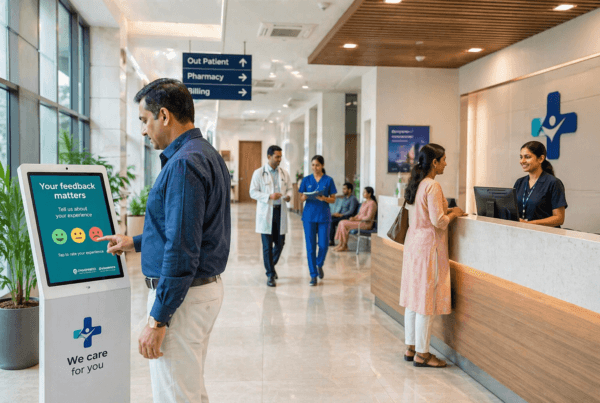
This is exactly why hospitals are increasingly investing in digital feedback systems to improve patient experience.
Traditional feedback methods such as:
- paper forms
- suggestion boxes
- or verbal complaints
often fail to provide:
- real time visibility
- actionable insights
- or centralized patient experience management.
Healthcare organizations today need smarter ways to:
- understand patient satisfaction
- monitor service quality
- identify operational issues
- and improve patient care continuously.
Platforms like piHappiness are helping hospitals modernize patient feedback management through intelligent digital survey systems and real time experience analytics.
Why Patient Experience Matters More Than Ever
Patient expectations have evolved significantly over the last few years.
Today’s patients evaluate healthcare experiences based on:
- waiting time
- staff behavior
- communication quality
- cleanliness
- appointment coordination
- billing experience
- and overall comfort.
Even excellent medical treatment may not guarantee positive patient perception if operational experience feels stressful or unorganized.
This is one reason healthcare providers increasingly prioritize patient experience management alongside clinical excellence.
What Is a Digital Feedback System for Hospitals?
A digital feedback system allows hospitals to collect and manage patient feedback electronically through:
- QR code surveys
- mobile forms
- SMS feedback links
- tablets
- kiosks
- and online survey platforms.
Instead of relying on manual paper forms, hospitals can digitally collect:
- patient satisfaction scores
- service ratings
- complaints
- suggestions
- and patient experience insights in real time.
This significantly improves visibility and operational responsiveness.
Why Traditional Feedback Methods No Longer Work
Many hospitals still use:
- paper feedback forms
- physical suggestion boxes
- or manual complaint registers.
But these systems often create several problems such as:
- delayed responses
- incomplete feedback
- low participation
- poor analytics
- and limited visibility.
Patients may avoid filling lengthy paper forms, especially after stressful healthcare experiences.
Manual systems also make it difficult for hospitals to:
- identify recurring problems
- compare department performance
- monitor service quality trends
- or respond quickly to negative experiences.
This is exactly why hospitals are increasingly switching to digital feedback systems.
1. Real Time Patient Feedback Collection
One of the biggest advantages of digital feedback systems is real time visibility.
Hospitals can instantly collect patient feedback regarding:
- doctor consultations
- nursing care
- appointment management
- waiting time
- cleanliness
- billing
- and discharge experience.
Real time feedback allows hospitals to:
- identify service gaps quickly
- resolve issues faster
- and improve patient satisfaction proactively.
This creates more responsive healthcare operations.
2. Faster Complaint Resolution
Delayed complaint handling negatively affects:
- patient trust
- online reputation
- hospital reviews
- and long term loyalty.
Digital feedback systems help hospitals:
- receive instant alerts
- escalate complaints faster
- track unresolved issues
- and improve response efficiency.
This significantly improves patient experience management.
Modern patients increasingly expect healthcare providers to respond quickly to concerns.
3. Improved Hospital Reputation Management
Online reviews strongly influence hospital selection today.
Patients often check:
- Google reviews
- healthcare ratings
- and patient experiences
before choosing hospitals or doctors.
Digital feedback systems help hospitals:
- identify unhappy patients early
- reduce negative online reviews
- improve patient recovery experiences
- and strengthen reputation management.
This becomes especially important in highly competitive healthcare markets.
4. Better Understanding of Patient Sentiment
Digital systems provide hospitals with deeper insights into:
- patient satisfaction
- emotional response
- service quality perception
- and operational performance.
Advanced feedback systems often include:
- sentiment analytics
- department wise reporting
- and experience tracking dashboards.
This helps hospitals:
- understand patient expectations better
- identify recurring operational issues
- and improve healthcare delivery more strategically.
5. Increased Patient Participation
Patients are far more likely to complete:
- short mobile surveys
- QR code feedback forms
- or tablet based feedback systems
than traditional paper forms.
Digital systems improve:
- convenience
- accessibility
- response rates
- and overall participation.
Higher participation creates more accurate patient experience insights.
6. Department Wise Performance Analysis
Hospitals operate across multiple departments such as:
- outpatient services
- inpatient care
- emergency departments
- diagnostics
- pharmacy
- billing
- and nursing operations.
Digital feedback systems allow hospitals to compare:
- department wise satisfaction scores
- complaint trends
- service quality levels
- and patient experience patterns.
This helps management identify:
- operational strengths
- improvement areas
- and training needs more effectively.
7. Better Decision Making Through Analytics
Modern hospitals increasingly rely on data to improve operational performance.
Digital feedback systems provide:
- patient satisfaction reports
- experience analytics
- complaint trends
- service quality metrics
- and operational insights.
These analytics help hospitals:
- improve patient care
- optimize workflows
- train staff better
- and strengthen healthcare delivery strategies.
Data driven healthcare management is becoming increasingly important.
Common Features Hospitals Should Look For
| Feature | Benefit |
|---|---|
| QR code surveys | Faster patient feedback collection |
| Real time alerts | Faster complaint resolution |
| Sentiment analytics | Better patient understanding |
| Department wise reporting | Improved operational visibility |
| Mobile friendly surveys | Higher patient participation |
| Centralized dashboards | Better management oversight |
These features significantly improve healthcare experience management.
Why Digital Feedback Systems Improve Operational Efficiency
Manual patient feedback processes often create:
- delays
- fragmented data
- poor visibility
- and operational inefficiencies.
Digital systems help hospitals:
- automate feedback collection
- centralize patient insights
- improve reporting
- and simplify complaint management.
This allows healthcare teams to focus more on:
- patient care
- service improvement
- and operational responsiveness.
Why Healthcare Is Becoming More Patient Centric
Modern healthcare organizations increasingly understand that:
- patient trust
- communication
- comfort
- and overall experience
strongly influence hospital reputation and long term growth.
Healthcare today is becoming increasingly patient centric.
Hospitals that:
- actively listen to patients
- respond quickly to concerns
- improve service quality
- and prioritize patient experience
often build:
- stronger loyalty
- better reputation
- and higher patient retention.
This is one reason digital feedback systems continue gaining importance in healthcare.
Importance of Patient Experience in Modern Healthcare
According to healthcare experience research published by global healthcare quality organizations, patient satisfaction and experience management significantly influence healthcare outcomes, trust, and hospital reputation.
This makes patient feedback systems increasingly important for modern healthcare organizations.
Why Hospitals Need Real Time Patient Insights
Healthcare environments are highly dynamic.
Issues related to:
- waiting time
- communication
- cleanliness
- billing
- or service coordination
can quickly affect patient perception.
Real time feedback systems help hospitals:
- monitor patient experience continuously
- identify issues early
- and improve operational responsiveness.
This creates more patient focused healthcare environments.
Tips for Choosing the Right Digital Feedback System
Prioritize Real Time Feedback
Faster insights improve responsiveness.
Focus on Ease of Use
Simple surveys improve participation rates.
Evaluate Analytics Capabilities
Data visibility matters significantly.
Look for Multi Department Reporting
Operational visibility is extremely important.
Prioritize Mobile Accessibility
Patients increasingly prefer digital convenience.
These factors help hospitals select smarter patient experience management solutions.
Conclusion
Digital feedback systems are becoming essential for modern hospitals looking to improve patient experience and operational efficiency.
From improving:
- patient satisfaction
- complaint resolution
- service quality
- and reputation management
to enabling smarter healthcare analytics and patient centric operations, digital feedback systems are transforming how hospitals manage patient experience.
Modern healthcare organizations need scalable feedback platforms that support:
- real time insights
- centralized analytics
- operational visibility
- and continuous patient experience improvement.
If your hospital is looking to improve patient feedback management, strengthen patient experience, streamline complaint resolution, and create more patient focused healthcare operations, explore piHappiness:
As healthcare continues becoming increasingly digital and experience driven, piHappiness is helping hospitals manage patient feedback more intelligently through secure, scalable, and modern digital feedback solutions.