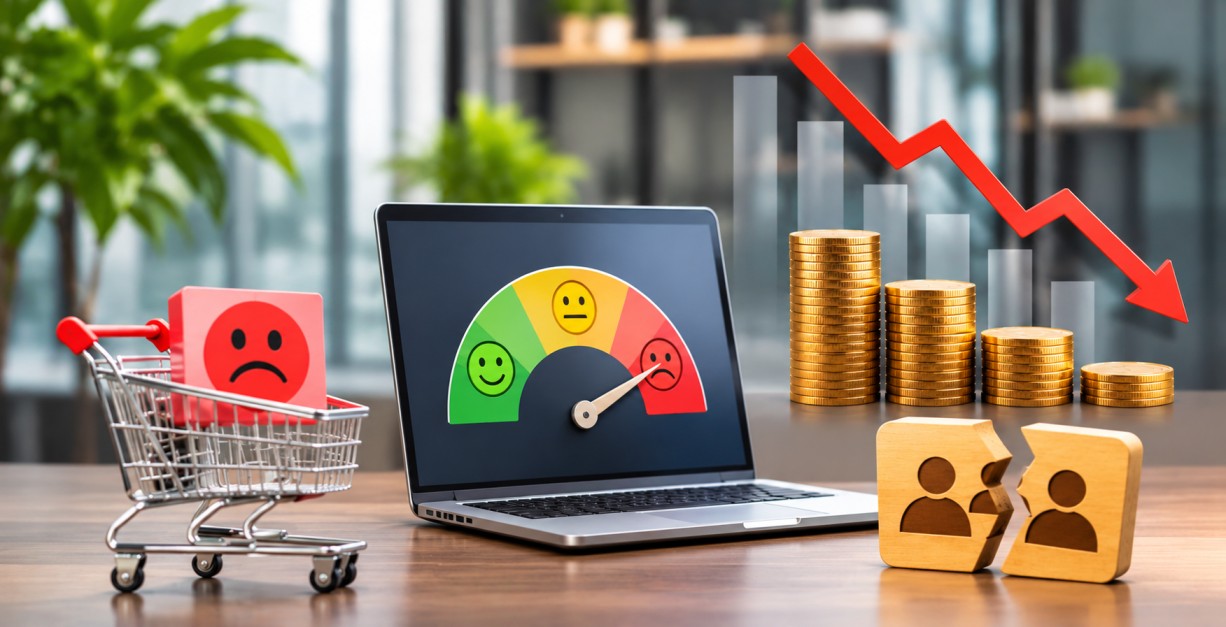
A customer may choose a business because of its product quality, pricing, reputation, or convenience. However, what happens after that first interaction often determines whether the customer returns. A delayed response, an unresolved complaint, a complicated purchase process, or an unhelpful support experience can quickly change how customers perceive a brand.
For businesses, these situations are more than isolated service problems. They can influence repeat purchases, customer loyalty, online reviews, operational expenses and long-term revenue. Even when a product meets expectations, a frustrating customer journey can leave customers questioning whether the business deserves their continued trust.
The challenge is that poor customer experience does not always appear immediately in financial reports. A customer who receives inadequate support may not complain directly. Instead, they may stop purchasing, cancel a subscription, or recommend a competitor to others. Without a structured approach to understanding customer feedback, businesses may struggle to identify why these changes are happening.
Understanding the business impact of a poor customer experience is therefore essential for organizations that want to protect customer relationships and make better operational decisions. By measuring satisfaction, listening to customer feedback, and addressing recurring problems, businesses can identify weaknesses before they become larger commercial concerns.
This article explores how poor customer experience affects business performance, the warning signs organizations should monitor, and how piHappiness, a customer experience and feedback software platform, can help businesses understand customer sentiment and identify opportunities for improvement.
How Poor Customer Experience Affects Business Performance
Poor customer experience can influence several areas of a business simultaneously. A single unresolved issue may affect a customer’s willingness to purchase again, while repeated service failures can create wider problems involving reputation, support costs, and employee workload.
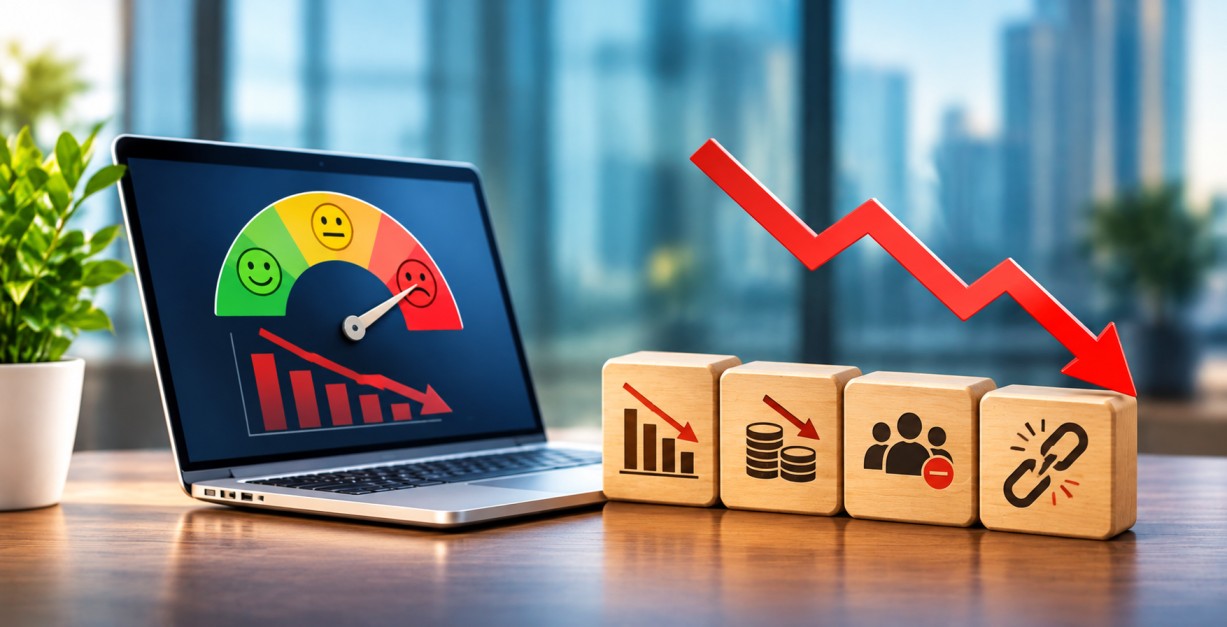
Loss of Customer Loyalty and Retention
Customer retention depends on more than offering a competitive product. Customers also expect reliable communication, convenient processes, consistent service, and effective support when something goes wrong.
When those expectations are repeatedly unmet, customers may begin exploring alternatives. A customer who struggles to obtain a refund, receives inconsistent information, or has to explain the same problem to multiple representatives may decide that continuing the relationship is not worth the effort.
Consider a subscription-based software company. A customer encounters a technical issue and contacts support for assistance. If the response is delayed and the problem remains unresolved, the customer may question the value of the subscription. If similar experiences continue, cancellation becomes a more likely outcome.
Losing an existing customer can also mean losing future purchases, renewals, referrals, and opportunities to introduce additional products or services.
Businesses should therefore monitor customer retention alongside satisfaction scores. A declining retention rate, increasing cancellation volume, or a rise in complaints from existing customers may indicate that the experience needs attention.
Reduced Revenue and Missed Growth Opportunities
The financial impact of poor customer experience extends beyond the value of a single lost transaction.
When customers stop purchasing, businesses may lose recurring revenue and spend additional resources attracting replacements. Poor experiences can also affect cross-selling, upselling, renewals, and customer referrals.
The effects can be particularly significant for businesses that depend on repeat transactions or long-term customer relationships. Subscription providers, retailers, financial service companies, and software businesses all rely on customers seeing sufficient value to continue engaging with their offerings.
To understand the commercial impact, businesses should examine repeat purchase rates, renewal rates, customer lifetime value, and revenue associated with retained customers. These measures can help identify whether customer experience problems are affecting growth.
Damage to Brand Reputation and Customer Trust
Customers increasingly have opportunities to share their experiences through review platforms, social media, community forums, and personal recommendations.
A negative experience does not automatically lead to a public complaint. However, when customers feel ignored or treated unfairly, they may choose to share their dissatisfaction with others.
Repeated complaints about the same issue can influence how prospective customers evaluate a brand before making a purchase. For instance, several reviews describing poor after-sales support may discourage potential buyers, even if the company’s product quality is competitive.
Trust is particularly difficult to rebuild when customers believe a business has failed to acknowledge a problem or communicate honestly about its resolution.
Businesses should monitor reviews and public feedback alongside direct customer surveys. Negative comments can reveal recurring problems, but they should be assessed in context rather than treated as definitive evidence of wider performance.
Higher Operating Costs and Increased Pressure on Support Teams
Poor customer experience can create avoidable work across an organization.
When instructions are unclear, processes are confusing, or support teams lack the information needed to resolve problems, customers may contact the business repeatedly. Each additional interaction consumes time and resources that could have been used for other customer needs.
For example, an online retailer that provides incomplete delivery updates may receive repeated enquiries about order status. Improving communication and order tracking could reduce unnecessary contacts while helping customers feel better informed.
The same principle applies to software businesses. If customers struggle with onboarding, support teams may spend considerable time answering the same basic questions instead of helping with more complex issues.
Businesses can assess this impact by monitoring repeat contacts, average resolution time, complaint volume, and the proportion of issues resolved during the first interaction.
Reducing avoidable friction can benefit both customers and employees. It can also help organizations direct support resources towards issues that genuinely require individual attention.
How Businesses Can Identify, Measure, and Improve Poor Customer Experience
Understanding the consequences of poor customer experience is only the first step. Businesses also need a reliable process for identifying problems, measuring their effects, and making improvements based on evidence.
Recognize the Warning Signs of Customer Dissatisfaction
Customer dissatisfaction does not always appear as an explicit complaint. Some customers remain silent when they encounter a problem, while others communicate their frustration through reduced engagement or changes in purchasing behavior.
Businesses should monitor several indicators together rather than relying on a single metric.
- Declining satisfaction scores: Customers may be reporting less favourable experiences with products, services, or support.
- Increasing complaint volume: Repeated complaints about the same process may indicate an underlying issue.
- More repeat support contacts: Customers may need to contact the business several times to resolve a problem.
- Lower repeat purchase or renewal rates: Customers may be less willing to continue their relationship with the company.
- Negative customer comments: Written feedback may reveal concerns that numerical ratings cannot fully explain.
- Longer resolution times: Delays may indicate inefficient workflows, unclear ownership, or inadequate resources.
These indicators become more useful when compared over time and across customer segments. For example, an overall satisfaction score may remain stable even when a particular product category or customer group experiences worsening service.
The objective is to identify patterns early enough for the business to investigate and respond.
Collect Customer Feedback at the Right Touchpoints
Customer feedback provides direct insight into how people experience a product or service. However, its usefulness depends on when questions are asked and how relevant they are to the customer’s interaction.
Businesses should select feedback touchpoints based on the customer journey.
For an online retailer, these might include after delivery, following a return, or after a support interaction. A software company may collect feedback after onboarding, following a technical support case, or after customers have used a feature for a suitable period.
Useful questions include:
- How satisfied are you with your recent experience?
- Is it easy to complete the task you need to perform?
- Did our product or service meet your expectations?
- What could we improve about your experience?
- Has your issue been resolved?
A combination of rating questions and open-ended responses can help businesses understand both the customer’s assessment and the reasons behind it.
Keep surveys concise and avoid asking customers for information the business already holds. Excessive or irrelevant requests can create additional frustration instead of improving the experience.
Use Customer Experience Metrics to Understand Performance
A structured measurement process helps businesses track customer sentiment and evaluate whether changes are producing meaningful results.
Three commonly used customer experience metrics are particularly useful.

Customer Satisfaction Score (CSAT) measures how satisfied customers are with a specific interaction, product, or service. It can help identify whether recent changes to customer support or delivery processes have improved satisfaction.
Net Promoter Score (NPS) measures customers’ willingness to recommend a business, product, or service. It provides an indication of customer advocacy, although it does not independently explain the reasons behind customers’ opinions.
Customer Effort Score (CES) measures how easy or difficult customers find a particular interaction, such as resolving a complaint or completing a purchase.
These measures should be supported by operational and commercial indicators, including complaint resolution time, repeat contact rate, retention, and renewal performance.
Turn Customer Feedback Into Action
Collecting feedback does not automatically improve customer experience. The business must establish a clear process for deciding what to address and who will take responsibility.
Start by categorizing feedback into themes such as product quality, usability, delivery, pricing, communication, or support. Then assess the frequency of each issue, its potential impact on customers, and the resources required to resolve it.
For example, if customers repeatedly report difficulty navigating a software dashboard, the product team could investigate usability improvements. If feedback highlights delayed responses, the service team might review staffing, escalation procedures, or communication workflows.
Each priority issue should have an owner, an action plan, and an appropriate measure of success.
Closing the feedback loop is equally important. When customers report a problem, acknowledge their concerns and provide an update when appropriate. If a broader improvement is introduced, consider communicating the change to the customers it affects.
This approach helps connect customer feedback with actual business decisions rather than leaving insights unused in reports.
Poor customer experience can affect much more than customer satisfaction. It can weaken retention, reduce repeat purchases, increase support costs, and damage the trust that businesses need to build lasting customer relationships. These problems may develop gradually, making it difficult to recognize their financial impact without a consistent approach to measuring customer feedback.
Businesses can respond by identifying warning signs, collecting feedback at relevant touchpoints, monitoring meaningful performance indicators, and addressing recurring issues. The most effective approach connects what customers say with practical improvements that can be evaluated over time.
piHappiness helps businesses take a more structured approach to understanding customer experience through customer feedback and experience management software. By collecting customer opinions, reviewing satisfaction trends, and organizing follow-up actions, businesses can gain useful insights into where their experiences need improvement.
Frequently Asked Questions
- What is a poor customer experience?
A poor customer experience occurs when an interaction fails to meet a customer’s reasonable expectations. Examples include delayed support, confusing processes, inadequate communication, unresolved complaints, and products or services that do not deliver the expected value.
- How does poor customer experience affect business revenue?
It can contribute to lost repeat purchases, cancellations, lower renewal rates, and fewer referrals. It may also increase support costs when customers need repeated assistance to resolve the same problem.
- Can poor customer experience damage brand reputation?
Yes. Dissatisfied customers may share negative experiences through reviews, social media, and personal recommendations. Repeated complaints about the same problem can influence how potential customers perceive a business.
- How can businesses measure customer experience?
Businesses can use CSAT, NPS, and CES alongside complaint volume, issue resolution time, repeat contact rates, and customer retention measures. Combining these indicators with written feedback provides a more complete understanding of customer sentiment.
- How can customer feedback software help businesses?
Customer feedback software can help organizations collect responses, analyze satisfaction trends, identify recurring concerns, and organize follow-up actions. Its effectiveness depends on how well the business uses those insights to make improvements.
- What is the difference between customer satisfaction and customer experience?
Customer satisfaction measures how customers evaluate a particular interaction or overall experience. Customer experience covers the broader journey of interactions a customer has with a business, from initial discovery through purchase, usage, and ongoing support.
- How can businesses prevent recurring customer complaints?
Businesses should categories feedback, investigate root causes, assign responsibility for corrective action, and measure the results. Addressing the underlying problem is generally more effective than repeatedly responding to individual complaints without changing the process.